ISA Certified Arborist in Central Florida
Most tree companies will tell you what a tree costs to remove. Fewer can tell you whether it needs to come down at all. Tyler Hoag is ISA Certified (FL-9491A) and Tree Risk Assessment Qualified — the assessment comes before the chainsaw.
What the Credentials Mean
“Certified arborist” gets printed on a lot of truck doors. Here is what ours actually covers.
ISA Certified Arborist — FL-9491A
Credentialed by the International Society of Arboriculture by examination, and kept current through continuing education. The certification covers tree biology, diagnosis, pruning standards, soil and root management, and safe work practice.
Tree Risk Assessment Qualified
A separate ISA credential for the formal, documented method of judging how likely a tree is to fail, what it would strike, and how severe that would be. This is the qualification behind a report an HOA board or an adjuster will actually accept.
ANSI Z133 & A300 Work Practice
Removals rigged and pruning cuts made to the recognised industry standards, not to whatever is fastest. It is the difference between a tree that recovers from a trim and one that never quite does.
Licensed & Fully Insured
Current certificates of insurance available for management companies, gate files, and commercial clients on request — before the crew arrives, not after someone asks.
When You Actually Need an Arborist
Not every tree job needs one. These are the ones that do.
You Are Not Sure the Tree Is Actually Dangerous
A dramatic lean can be fifty years stable. A perfectly upright oak can be hollow. Guessing costs you either an unnecessary removal or a roof.
Your HOA Wants an Arborist Letter
Architectural review boards routinely ask for a qualified opinion before approving a removal. A signed assessment is what closes that request.
You Are Filing an Insurance Claim
A documented assessment of the tree, the defect, and the failure mode supports a claim far better than a photo and a phone call.
The County Needs Justification for a Permit
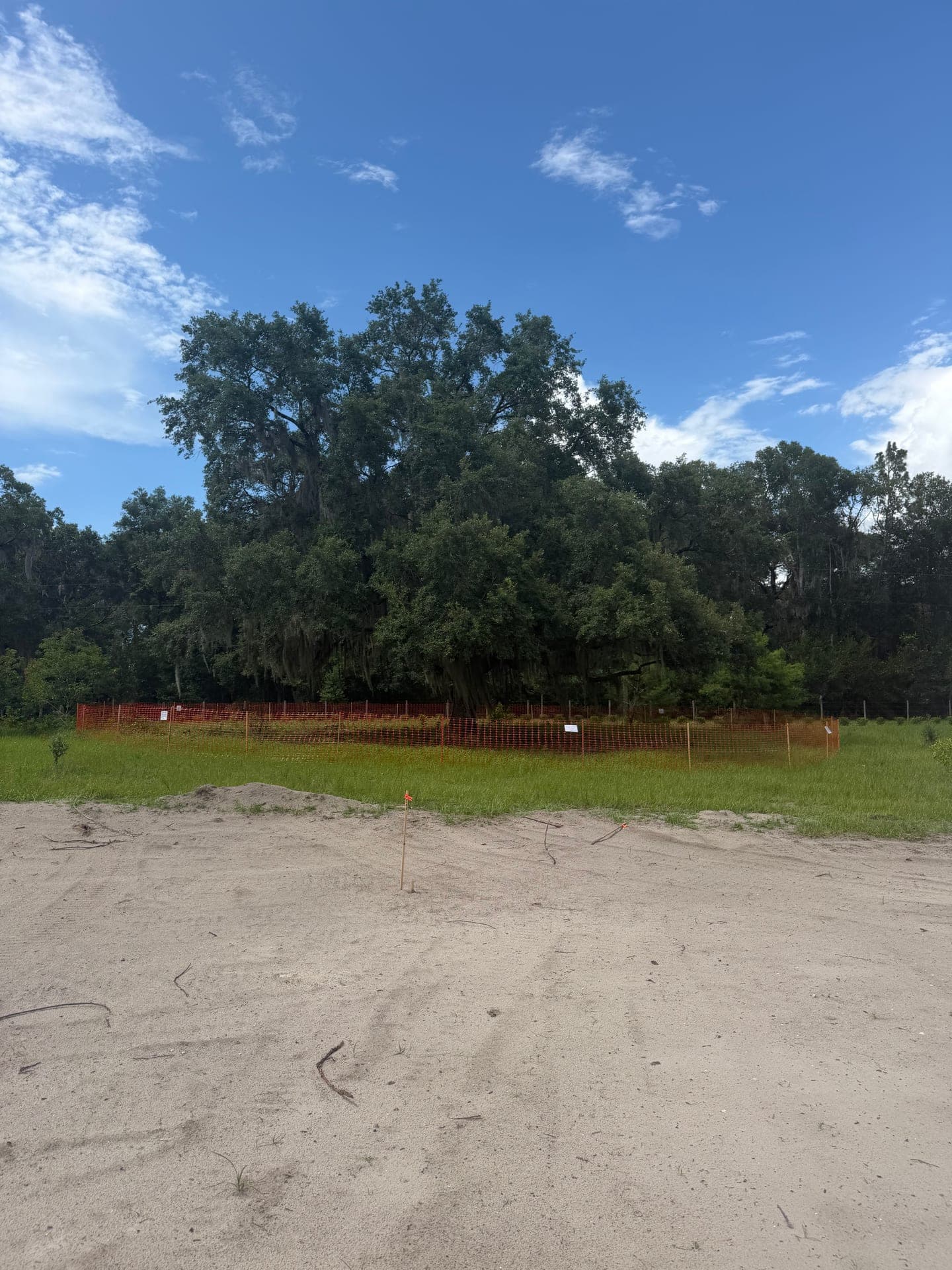
Where an ordinance protects a tree, removal usually has to be justified. A risk assessment is the standard form that justification takes.
You Are Trying to Save the Tree, Not Remove It
Decline has causes — construction damage, root severance, soil compaction, over-mulching, the wrong pruning years ago. Some of it is reversible if it is caught.
You Are Buying the Property
Mature trees are an asset until they are a liability. Worth knowing which you are inheriting before closing, not after.
What a Tree Risk Assessment Includes
A TRAQ assessment is a method, not an opinion. It works through the tree and the site in a fixed order so the conclusion can be checked by someone else — which is exactly why boards, adjusters, and permit reviewers ask for one.
- ✓Species identification and an assessment of overall condition
- ✓Structural defects documented — cavities, included bark, root plate movement, deadwood load
- ✓A TRAQ risk rating: likelihood of failure, likely target, consequence
- ✓A clear recommendation — monitor, prune, cable, or remove
- ✓Written report suitable for HOA, insurer, or permit submission
- ✓Permit requirements for your specific address, checked before you file
How It Works
From the first call to a document you can hand someone.
Tell Us the Situation
What the tree is doing, what is under it, and who is asking. That usually decides whether you need a report or just a quote.
On-Site Inspection
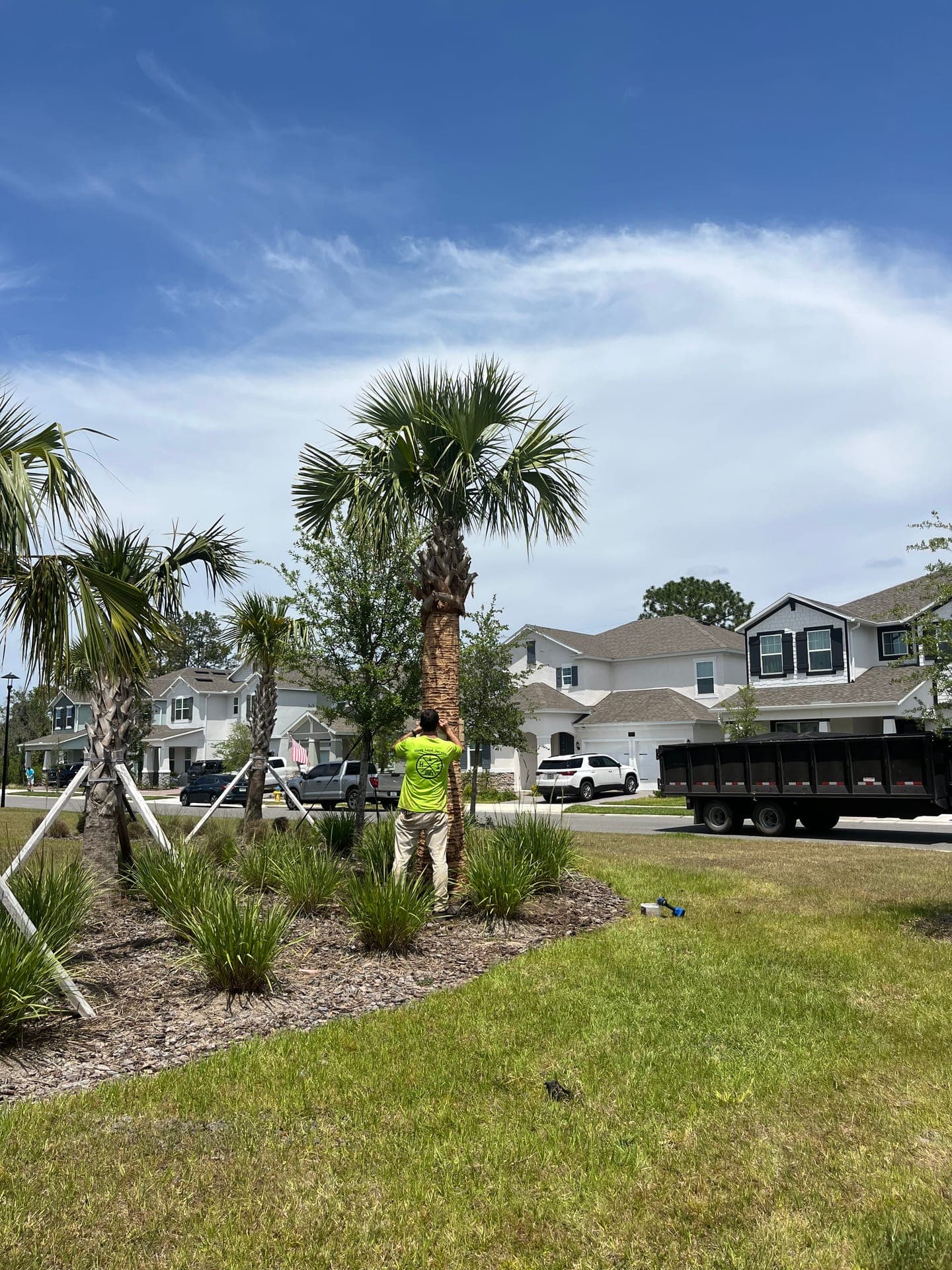
Tyler inspects the tree himself — crown, trunk, root plate, and the site conditions around it. No subcontracted opinion.
Findings & Options
You get a straight answer on the risk and the realistic options, including the option of doing nothing where that is honestly the right call.
Report or Work
A written assessment if you need the document, or a scheduled crew if you need the work. Often both.
Permits, Ordinances & Who Is Asking
Central Florida does not have one tree rule — it has dozens. Volusia County, Seminole County, and every incorporated city inside them run their own arbor ordinance, and most set a trunk diameter above which a removal needs a permit. Protected species, specimen trees, and environmentally sensitive parcels each carry their own conditions on top.
Gated and HOA-governed communities add a second gate entirely. Architectural review generally comes before the county does, and a board asking for “an arborist’s opinion” means a signed assessment, not a quote with a logo on it.
We check the requirements for your specific address during the estimate and tell you plainly which approvals your job needs. Where a permit is required, we handle the filing rather than handing you a form and wishing you luck.
5 Stars From 40 Reviews
Real feedback from real customers across Central Florida.
“Tyler is a certified arborist and his knowledge shows in every aspect of their work. From tree trimming and large tree removal to complete land clearing, his team is thorough and professional.”
Juliene Kaidor
Google Review
“HLS cleared our 2.5-acre fence line and installed beautiful fencing. They were punctual, professional, and there were no unexpected costs. The finished product exceeded our expectations.”
Sarah Meeks
Google Review
“We've used Hoag Land Services multiple times over the years for land clearing and tree removal. Always reliable, always honest, and the quality of work speaks for itself.”
Andrea Cittadino
Google Review
Certified Arborist FAQ
Get a Straight Answer About Your Tree
Whether you need a written assessment for someone else or just an honest read for yourself, start with a call. We will tell you which one you actually need.
Serving DeLand, Volusia, Seminole & Central Florida since 2017
Where We Work
Certified Arborist Services Across Central Florida
We run certified arborist servicesjobs throughout the region. Pick your area for local details, or call and we'll tell you straight away whether we cover you.